

Call Support 24x7
+91 7559349467
The Process Industry depends on accurate flow measurement to maintain product quality, improve operational efficiency, and control production costs. Industries such as chemicals, pharmaceuticals, water treatment, food processing, and manufacturing use flow meters to monitor liquids throughout their operations. An electromagnetic flow meter is a popular choice for measuring conductive liquids because it offers reliable measurement without moving parts in the flow path.
However, the electromagnetic flow meter price in India can vary significantly depending on the application, pipe size, material selection, accuracy requirements, output signals, and installation conditions. Understanding these factors helps businesses choose a suitable instrument without paying for unnecessary features.
In this guide, we explain the key factors that influence electromagnetic flow meter costs and how businesses in the Process Industry can select the right solution for their operational requirements.
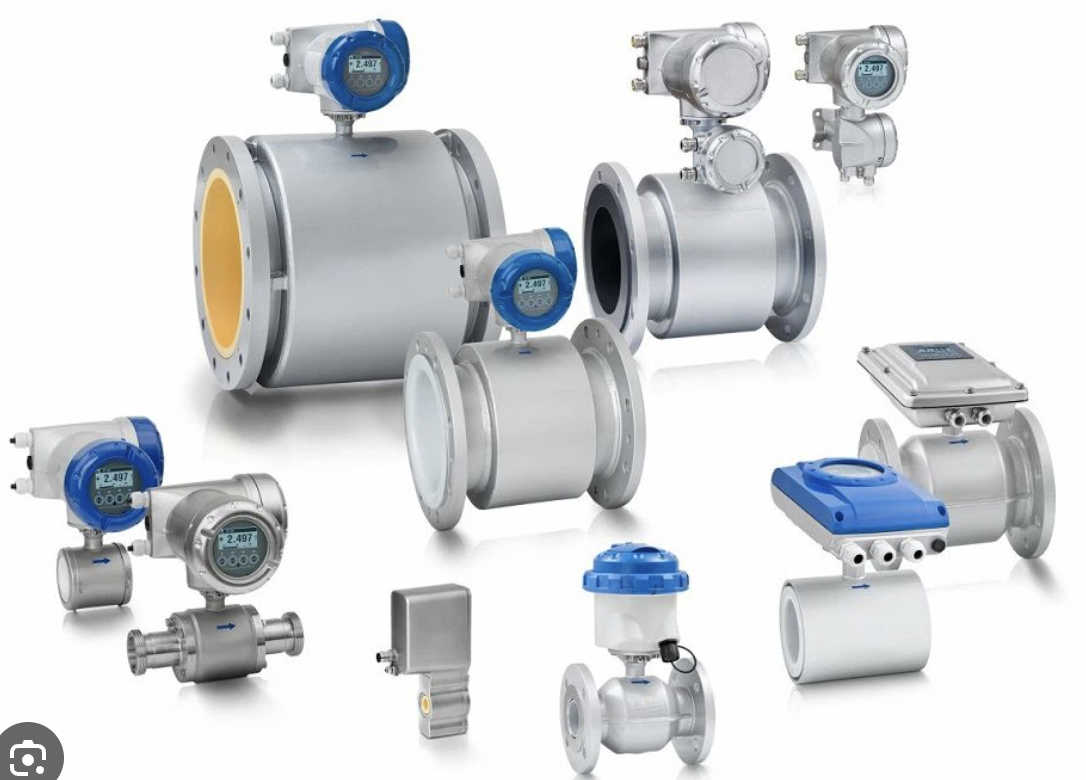
An electromagnetic flow meter, also known as a mag flow meter, measures the flow rate of electrically conductive liquids using Faraday's law of electromagnetic induction. When a conductive liquid passes through a magnetic field, it generates a voltage proportional to its flow velocity. The instrument measures this voltage and calculates the flow rate.
Because the meter has no moving parts obstructing the flow, it can be suitable for applications involving water, wastewater, process chemicals, and other compatible conductive liquids.
Businesses looking for reliable measurement can explore Tronsoft's electromagnetic flow meter solutions to understand the available instrumentation options.
There is no single price that applies to every electromagnetic flow meter. The final cost depends on the technical specifications and the conditions in which the instrument will operate.
Pipe diameter is one of the primary factors affecting electromagnetic flow meter pricing. Instruments designed for smaller pipes generally require less material, while larger meters may need more substantial construction and different manufacturing specifications.
For example, a meter installed on a small chemical dosing line may have different requirements from one used in a large industrial water distribution pipeline.
Before requesting a quotation, businesses should identify the nominal pipe size, expected flow range, and normal operating conditions. Correct sizing helps avoid measurement problems and unnecessary expenditure.
The materials that come into contact with the liquid have a direct influence on durability, compatibility, and cost.
Common components include:
Electrodes: Stainless steel and other specialised materials may be selected according to the liquid's chemical properties.
Liner: Rubber, PTFE, and other suitable lining materials may be used depending on temperature, pressure, and chemical compatibility.
Meter body: Construction materials depend on the installation environment and application requirements.
For corrosive chemicals or demanding process applications, the selected materials must be compatible with the fluid. Choosing a lower-cost meter with unsuitable materials may lead to premature failure and higher maintenance expenses.
Different applications require different measurement performance. Some processes need consistent flow monitoring for routine operations, while others require tighter measurement control for batching, dosing, or production monitoring.
The required accuracy, repeatability, calibration, and verification arrangements can influence the overall instrument cost.
In the Process Industry, the appropriate specification should be based on the consequences of measurement errors. Selecting a meter that meets the actual process requirement is more effective than automatically choosing the most expensive model.
Electromagnetic flow meters are designed for electrically conductive liquids. Their suitability depends on the fluid's conductivity and operating characteristics.
Applications may include:
Industrial water and wastewater
Compatible chemical solutions
Process liquids in manufacturing plants
Certain food and beverage liquids
Slurries and other suitable conductive fluids
Liquid temperature, corrosiveness, suspended solids, and conductivity can affect the choice of liner, electrodes, and instrument configuration. These requirements may change the final quoted price.
For water-treatment applications, you can also explore Tronsoft's water and wastewater industry solutions.
An electromagnetic flow meter may need to connect to a PLC, SCADA system, distributed control system, or plant monitoring platform.
Depending on the model, available options may include:
Analog output such as 4–20 mA
Pulse or frequency output
Digital communication protocols
Local display and configuration controls
Remote monitoring and integration features
Additional communication requirements can affect the total cost. Before selecting an instrument, confirm which signals and protocols are supported by both the meter and the existing control system.
The operating pressure and temperature of the process must match the instrument's specified limits. High-temperature liquids, demanding pressure conditions, or specialised installation environments may require particular configurations.
These requirements can influence the body design, lining, connections, and other components. Supplying accurate operating data when requesting a quotation helps the supplier recommend an appropriate model.
Installation requirements can also influence the total project cost. Depending on the application, the meter may require flanged connections, specific face-to-face dimensions, suitable mounting arrangements, and compatible electrical connections.
The installation location should provide suitable access for commissioning, inspection, and maintenance. Correct installation is essential for reliable readings and long-term performance.
The instrument price should therefore be considered alongside installation accessories, wiring, commissioning, and any required modifications to the existing pipeline.
Calibration and documentation requirements vary from one industrial application to another. Some projects may require calibration certificates, inspection records, material documentation, or additional quality-related paperwork.
Technical support, commissioning assistance, and after-sales service can also affect the overall purchase decision.
For a fair comparison, businesses should evaluate the complete supply scope rather than comparing equipment prices alone.
The Process Industry requires instruments that can support consistent production, process monitoring, and efficient resource management. Electromagnetic flow meters offer several advantages when correctly selected and installed.
Electromagnetic flow meters do not use mechanical impellers or turbines to measure flow. This design reduces the number of moving components exposed to the liquid and can help limit mechanical wear.
They can measure a wide range of compatible conductive liquids, making them useful across water treatment, chemical processing, and other industrial applications.
The meter design typically provides an unobstructed flow path. This can be beneficial for suitable applications involving liquids with suspended solids, provided the fluid and instrument specifications are compatible.
With the appropriate output and communication options, flow data can be transmitted to control systems for monitoring, process adjustment, and operational reporting.
Businesses evaluating other industrial measurement requirements may also explore differential pressure flow meters for applications where differential pressure-based measurement is appropriate.
Choosing the right instrument requires more than comparing quotations. Follow these steps before finalising a purchase.
Confirm liquid conductivity: Verify that the liquid is suitable for electromagnetic measurement.
Identify pipe size: Provide the actual pipeline diameter and connection requirements.
Specify the flow range: Share minimum, normal, and maximum expected flow rates.
Confirm process conditions: Include operating pressure, temperature, and liquid characteristics.
Select compatible materials: Check electrode and liner compatibility with the fluid.
Define integration needs: Confirm required outputs, communication protocols, and display options.
Review the full quotation: Check calibration, accessories, documentation, warranty, and technical support.
Providing complete technical details helps suppliers recommend an instrument that matches the application and reduces the risk of purchasing an unsuitable meter.
The lowest initial price does not always represent the lowest long-term cost. An instrument with unsuitable materials, incorrect sizing, or incompatible communication features may require additional modifications, maintenance, or replacement.
When evaluating an electromagnetic flow meter, consider its expected service life, maintenance requirements, measurement performance, compatibility, and support availability.
For projects that involve multiple measurement instruments and automation requirements, businesses can also review turnkey electrical and instrumentation projects to understand how instrumentation can form part of a broader industrial solution.
A well-specified instrument can support reliable monitoring and help avoid preventable operating expenses throughout its service life.
Selecting industrial instrumentation requires attention to application conditions, technical specifications, and system compatibility. Tronsoft provides instrumentation-related solutions for industrial measurement and process applications.
When evaluating a flow meter for the Process Industry, share the fluid type, pipe diameter, flow range, pressure, temperature, installation details, and required output signals with the supplier. These details help establish the appropriate configuration and obtain a more accurate quotation.
Businesses should review the instrument specifications and confirm that the proposed model meets their operational requirements before placing an order.
The electromagnetic flow meter price in India depends on several factors, including pipe size, wetted materials, measurement requirements, liquid properties, operating conditions, communication options, and installation needs. Understanding these variables helps businesses make informed purchasing decisions.
For the Process Industry, the best choice is an electromagnetic flow meter that meets the application's technical requirements while offering reliable performance and manageable long-term costs. By comparing complete specifications and quotations, businesses can select a suitable instrument for their flow measurement needs.
Contact Us
Feel Free To Get In Touch With Us
Office Address:
Karve road, near Garware metro stn, Pune | 411030 India
Follow Us:-
Looking For More?
Call Support 24x7
+91 7559349467